Life, Lessons & Love
Where Would You Rather Be?
April 18, 2021
“Spend all day out on this lake.” — POST MALONE GOES COUNTRY | WE’RE TEXAS
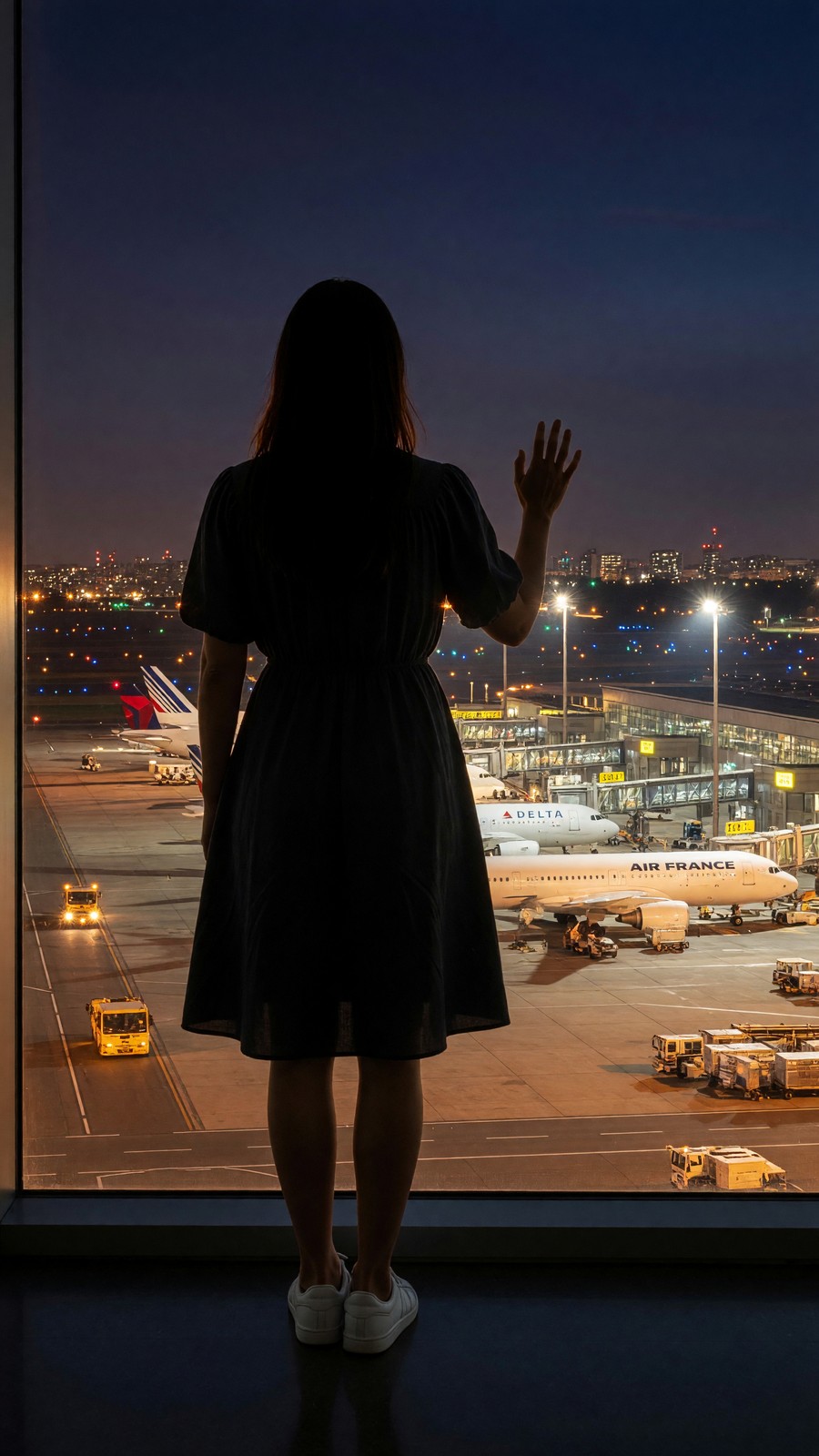
At the beginning of the second act of the movie Passengers, Jim (Chris Pratt) says to the android bartender, Arthur (Michael Sheen):
"So lay some bartender wisdom on me. I’m lost in space here.”
Arthur responds:
"You’re not where you want to be; you feel like you’re supposed to be somewhere else. Well, say you could snap your fingers and be wherever you wanted to be… I bet you’d still feel this way: Not in the right place. The point is, you can’t get so hung up on where you’d rather be that you forget to make the most of where you are.”
Consider for a moment: where would you rather be?
It’s a good bet, most folks will not say “at work!” But, if you’ve discovered the kind of work you want to do every day, good for you!
Consider these ideas: Out at a special bar or restaurant with friends. Traveling to an exotic new city on the other side of the world. Climbing a mountain, or hiking by a quiet forest stream. On a motorcycle, a wheel in the air at one of the many racetracks around the world. Or, perhaps, sitting quietly, hand on their heart, gazing into the eyes of the one you love, breathing together.
When you imagine where you’d rather be, are you reaching into the future? Is “being” about a moment, or a span of time? A place you know, or a place you’ve only dreamed of? A wish for something new—or a longing to return?
If you could choose absolutely anything, where would you rather be?
We were first in Loreto, Mexico for a week in Fall 2018. Just half an hour south of the town of Loreto, Villa del Palmar is among the most beautiful places in the world: azure sky, verdant golf courses, orange cliffs, and the sapphire blue waters of the Sea of Cortez.
Returning for two weeks in December 2020, I was surprised to find that the first week of “relaxation” was unusually difficult.
All-inclusive for this visit, we could eat and drink endlessly—easily, we could consume more than anyone could stand. With high-speed Internet, we still had digital access to the whole world. I had numerous books I wanted to read; many on Audible, so all I had to do was listen!
The weather was chilly and very windy, so for our first week, mornings were limited to indoors. Our fifth floor villa was lavish by most standards, but something about the space wasn’t right for me. I was restless and couldn’t settle. I could do anything, but I wanted to do nothing. The storms outside seemed to mirror the storm inside. I had everything I thought I wanted—and still, I felt adrift.
The “weekend”—a fairly arbitrary concept while on vacation—brought a pivot. The weather warmed, and the skies cleared. I was able to hike and began re-exploring the cliffs at the edge of the sea. Now, I knew them well. I had worried that the growing familiarity would make the trails less special.
The beauty was the same, the separation from the rest of the world, the easy exertion and the sense of exploration, still present. But the newness was lost. The specialness of the first encounter with the extraordinary terrain had shifted. Two years later, still extraordinary, still special, but less surprising.
I found my footing—literally. For seven miles on Sunday, I explored the longest path; sunny, 73 degrees, 3 hours 11 minutes of… effort. I survived the exertion, but throughout much of it, I wanted to be somewhere else.
On Monday, I pivoted again.
Up before the sunrise, I hiked out to the point; just a mile from our villa. Perched high on the rocks, surrounded by the Sea of Cortez, the mountains, and the islands in the distance, I placed my iPhone to take time-lapse video of the view, and then sat. For an hour.
A week of mornings, some windy and quite chilly, sitting with the sea and the sun, I rediscovered contentment. Each morning, I was able to answer the question with action—and each day, I lived the answer through my choices.
By the end of the week, I had rediscovered the Fisherman’s lesson.
✨ Want more?
Buy the book on Amazon »Excerpted from Hows It Works? by Mark Poesch.