Principles, Parenting & Purpose
Learning From Hearing Yourself Speak
May 7, 2018
“From day to night, and night to day, an endless sea of choice. If you should ever lose your way, just listen to your voice.” — Just listen - Oceanlab
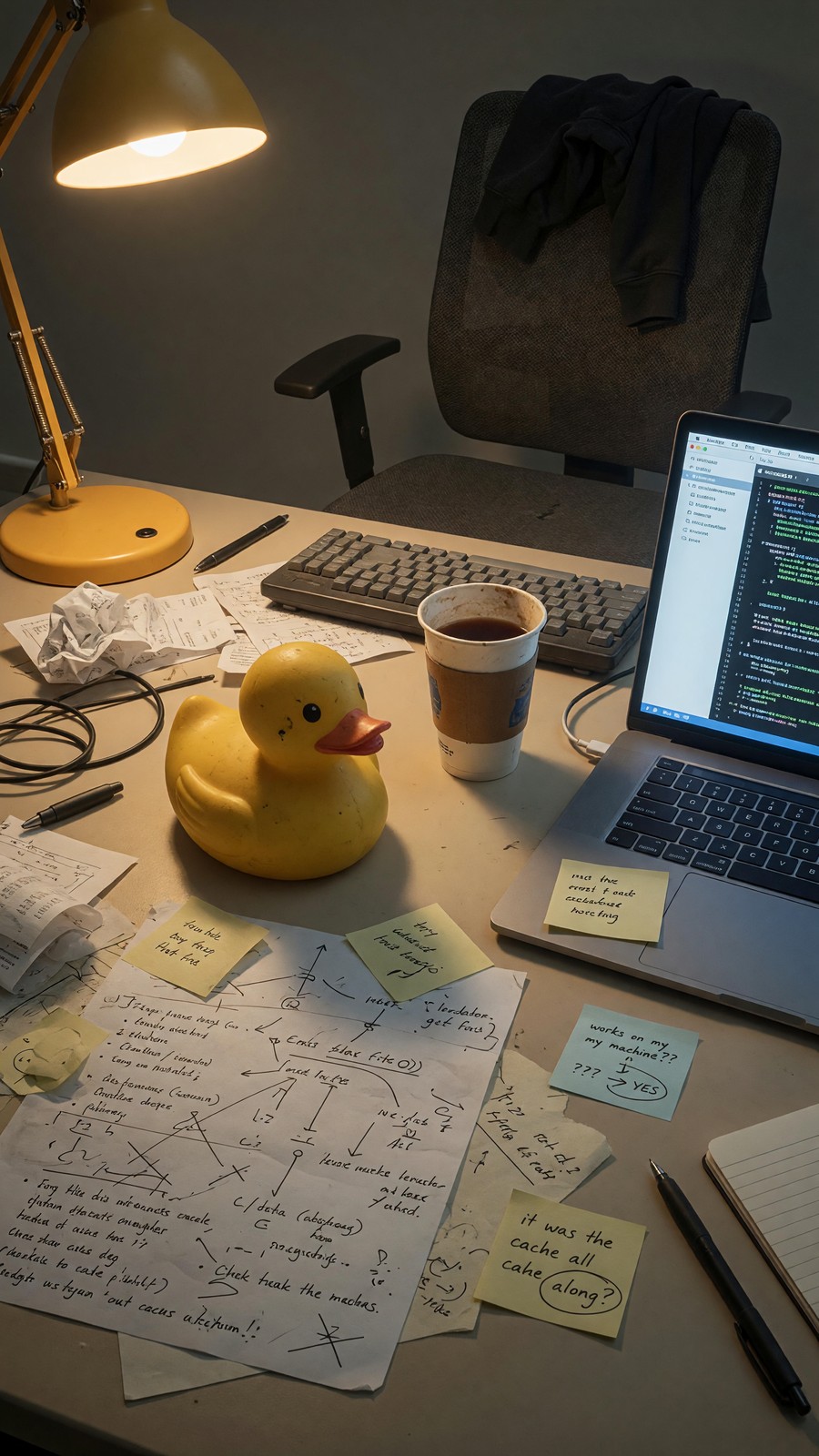
A meme circulated on Facebook which said: “You never really learn much from hearing yourself speak.” It was presented as an inspiring observation. I was unimpressed… actually, far more than that: I was angry.
I violently hated the quote so completely that I spent months pondering “why?”
As a call to humility, it has a ring of truth. Certainly, listening is a crucial skill. And it is fair to say that most of us will learn far more from listening than we will ever learn from speaking. However….
The statement naively, and with a certain false modesty, denies the possibility of novel integration: As I talk, I assemble the pieces of my experience. If the ideas I formulate are new to me, then I can learn as I articulate them.
I’ve lived this experience for over three decades. Talking through a problem out loud is a proven problem solving strategy.
I’ve lost track of the number of spoken, texted and emailed problems, where I gained clarity and resolved the solutions before receiving a response. Now, one form of this self-dialog is called Rubber duck debugging | Wikipedia.
The process works well when you’re alone, too. Speak. But also, listen. See what you hear!
✨ Want more?
Buy the book on Amazon »Excerpted from Hows It Works? by Mark Poesch.