Principles, Parenting & Purpose
You Are Beautiful, And Loved
October 11, 2020
“They say… seeing is believing. But the true question is, ‘What do you believe you’ve seen?’” — Spiritual Spy - M-Seven
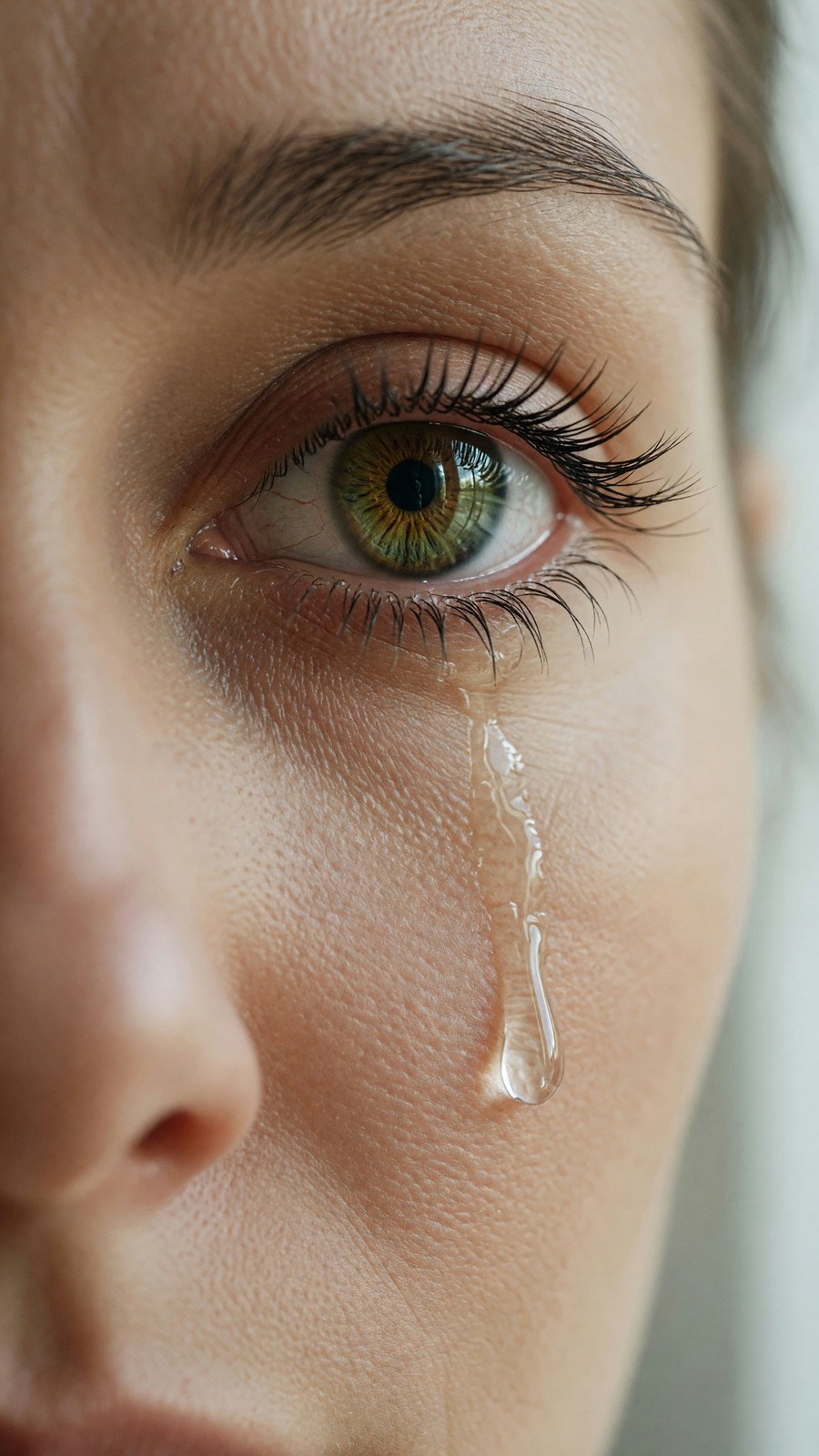
It has long been said that “beauty is in the eye of the beholder.” This implicitly points to the idea that how we see depends on our values, and values vary from one person to another. But beauty is also an absolute.
But to see beauty well requires special perspectives.
Sadly, the first generations of the 21st century have seen too much to see well. They have glimpsed larger truths, and yet they know absolutely nothing. They worry about problems that are vastly beyond their control: Climate Change, inequality, racism, and every other problem now visible around the world—exposed, illuminated and amplified by Social Media and the vast resources of the Internet.
With the Internet, we are now true 4D creatures—we effortlessly operate across time and space.
In navigating life’s experiences, our ability to “see accurately” is not just about discerning the truth in the world around us; it’s about recognizing value. The failure to see accurately and honestly is a lost opportunity.
Beauty matters to us because beauty has value. What we each choose to value has a powerful effect on how we see the world, and by extension, the effect we have on the world around us.
Beyond beauty, what we truly want is to be loved.
For many, it is acknowledgement of their beauty that enables them to feel another’s love. For example, the article A Turkish Photographer Captured the Honest Reactions of 17 Women to the Phrase, ‘You Are Beautiful’ captures the unconventional beauty and joy elicited from the positive affirmation: “You Are Beautiful.”
To tell someone they are beautiful—sincerely—is an act of love: words of affirmation.
Love, and the joy it inspires, is beautiful.
For most people, it is the love from someone else that enables them to begin to love themselves fully.
But ultimately, all we’re really learning is how to accept God’s love.
We tend to see ourselves incorrectly. We judge ourselves, and find ourselves lacking. We wonder how we could be lovable. And we wonder, even more clearly, how could God love us?
As parents who love our imperfect children, we have a partial insight:
“Charity suffereth long, and is kind; charity envieth not; charity vaunteth not itself, is not puffed up,Doth not behave itself unseemly, seeketh not her own, is not easily provoked, thinketh no evil; Rejoiceth not in iniquity, but rejoiceth in the truth; Beareth all things, believeth all things, hopeth all things, endureth all things. Charity never faileth: but whether there be prophecies, they shall fail; whether there be tongues, they shall cease; whether there be knowledge, it shall vanish away. For we know in part, and we prophesy in part. But when that which is perfect is come, then that which is in part shall be done away. When I was a child, I spake as a child, I understood as a child, I thought as a child: but when I became a man, I put away childish things. For now we see through a glass, darkly; but then face to face: now I know in part; but then shall I know even as also I am known. And now abideth faith, hope, charity, these three; but the greatest of these is charity.”—1 Corinthians 13:4-13 (KJV)
This insight is not just for married couples… it applies to all love.
But ultimately, this journey toward love and beauty leads us somewhere deeper still: into the arms of a God who has always seen us clearly. Who waits, patiently, for us to see ourselves—and Him—through the eyes of love.
He will wait your whole life if He must.
But the true question is: "What are you waiting for?"
First... consider... what do you value most?
✨ Want more?
Buy the book on Amazon »Excerpted from Hows It Works? by Mark Poesch.