Principles, Parenting & Purpose
The Problem With Choice
October 13, 2024
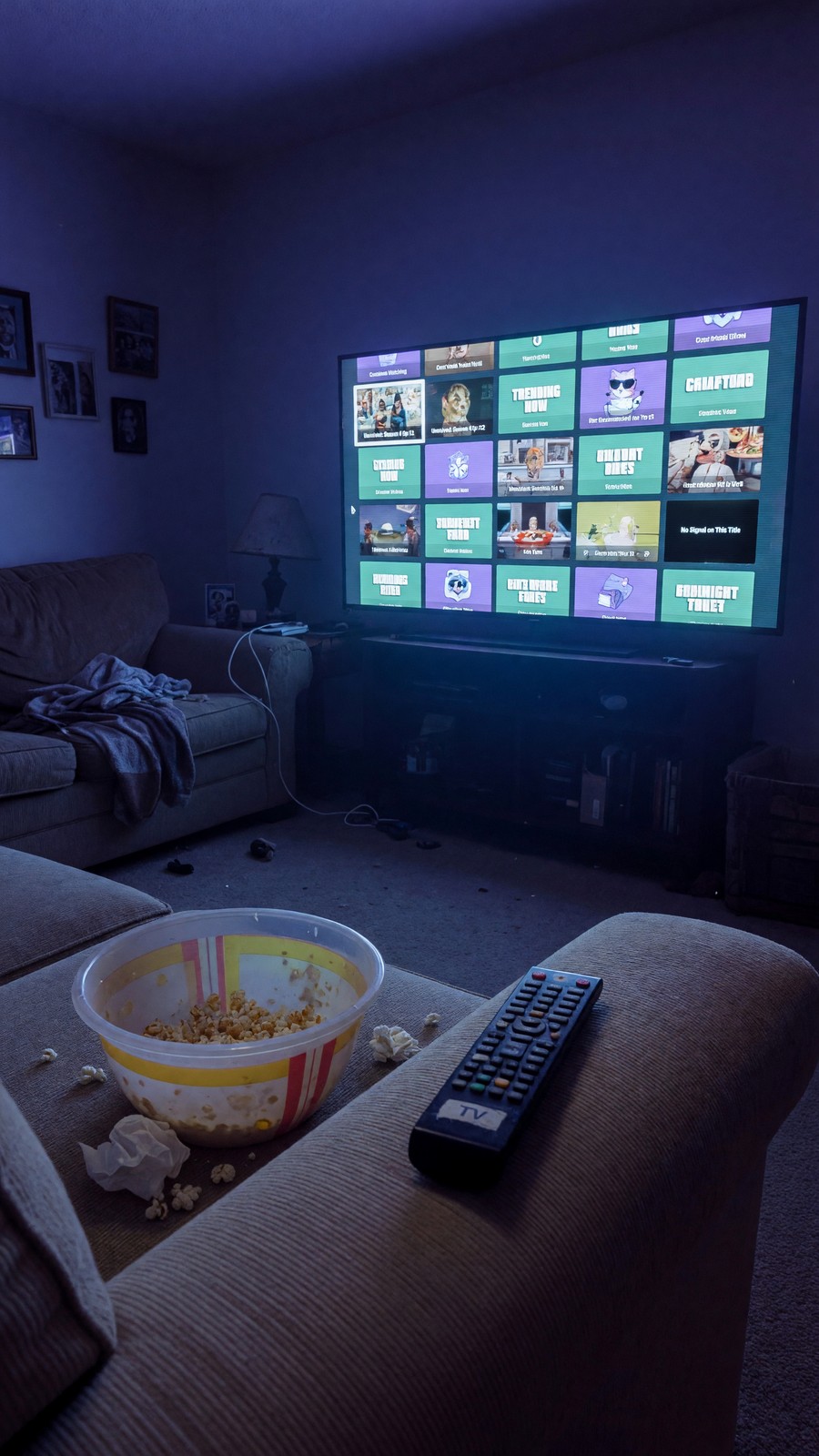
Making choices is hard. When faced with a large array of nearly-equal options, the decision process can feel overwhelming, paralyzing us with indecision
Take something as simple as picking a movie on Netflix. The more options you have, the harder it becomes to choose. But we all know something even worse: trying to agree on what to watch with someone else!
This difficulty is one reason why many people gravitate toward series instead of movies. Watch a movie, and you’ll have to make another choice within two hours. But, choose a series, and you may not have to choose again for days.
In the 21st century, what was once a novelty has been commoditized—streaming has become ubiquitous. Now, the primary challenge isn’t choosing a movie or series. Now, the problem is choosing which streaming service to engage with!
This meta-choice has only amplified the problem further. Avoiding content viewing decisions has become so habitual—almost instinctive—the idea is now cemented in the English language by the hyphenated term, “binge-watch.”
So, how do you simplify the process? For two people, a strategy as simple as alternating choices can reduce decision fatigue. Each person takes a turn, trusting the other to pick this time, knowing they’ll have their turn next. If they choose from a list created by their partner, they’ll still be choosing together, but distributing their choices across time.
Another strategy is to reduce the number of choices. Most of us can still manage to negotiate a mutual decision from just two choices.
Alternatively, give up choice altogether: the first option on the list wins.
But all of this rumination points toward a larger issue: if something as simple as “what to watch?” can be so difficult, what happens when we face real choices?
✨ Want more?
Buy the book on Amazon »Excerpted from Hows It Works? by Mark Poesch.